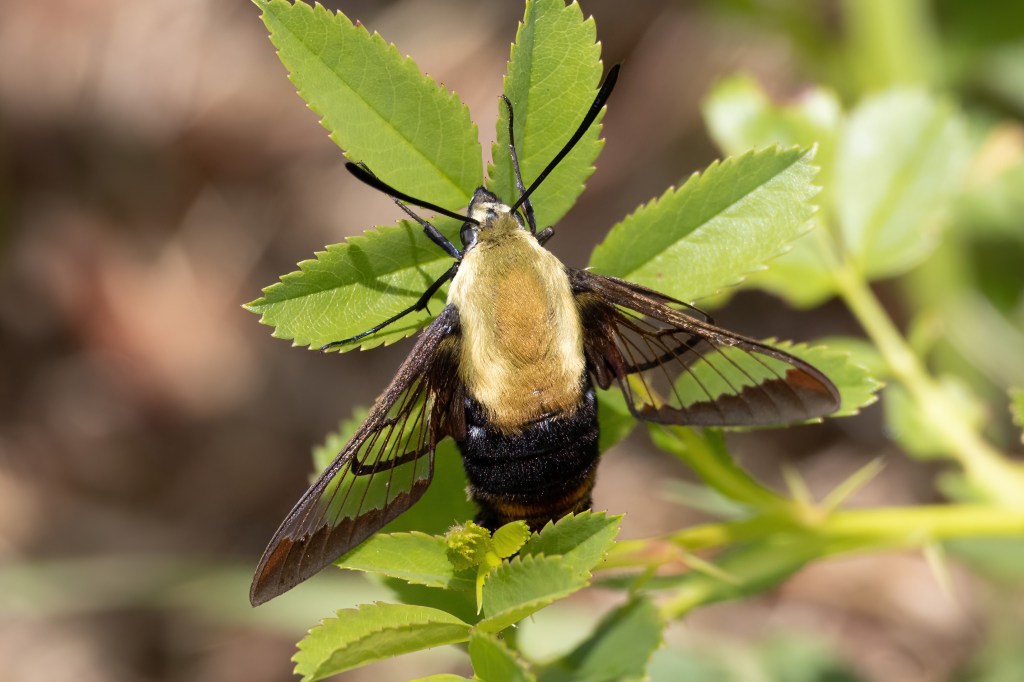
I took a trip to the Nemasket River Archaeological Preserve today to look for any of the sedge loving butterflies that should have been there. Although I didn’t find even one of the species I had expected to find (Appalachian Brown, Mulberry Wing, Black Dash), I did find quite a few different species, a nice variety of plants to continue to check on as the years go by and a very cooperative Snowberry Clearwing Moth (photo above).
It was the best of fields, it was the worst of fields. Well, something like that anyways.
I had the amazing opportunity to visit the Joint Base Cape Cod, a once bustling military base, but now an active shared base with the Army, Coast Guard, National Guard, etc. This enormous parcel of land, situated in the center of Cape Cod in Massachusetts, is an example of just how to manage land for different habitats and do it well!
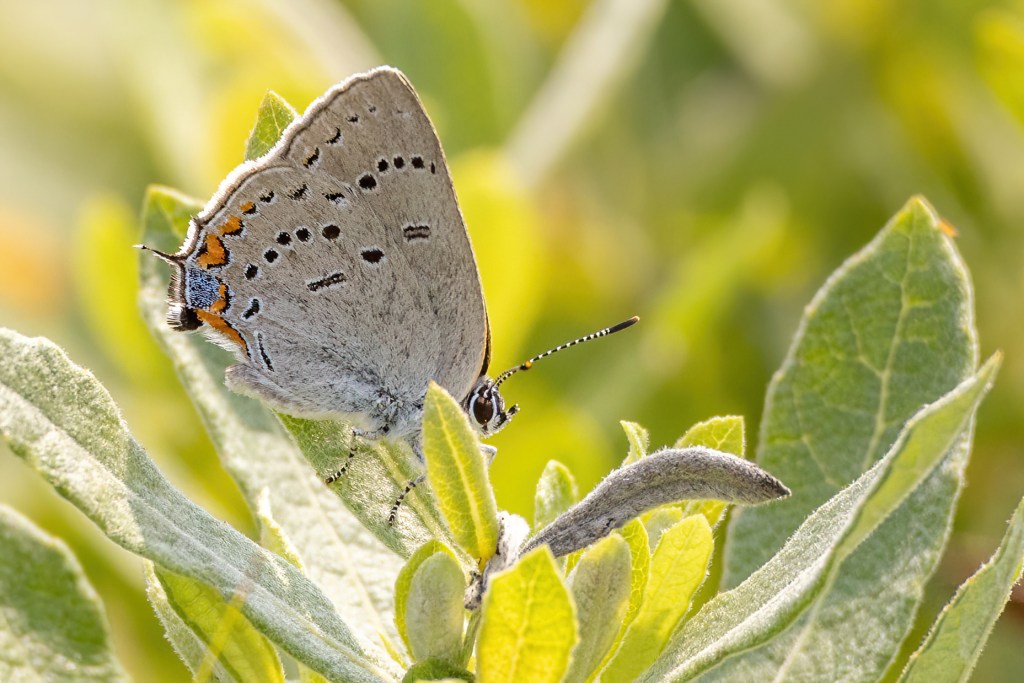
Our target species for the day was the Acadian Hairstreak. In Massachusetts, this is most likely the last place that these butterflies exist. Although we found none in 2024, they are relatively predictable to be in the same location every year. Having seen none last year, we were a bit concerned about this year, but were pretty quickly rewarded in our search with one individual, and it was a beauty!
Acadian Hairstreak
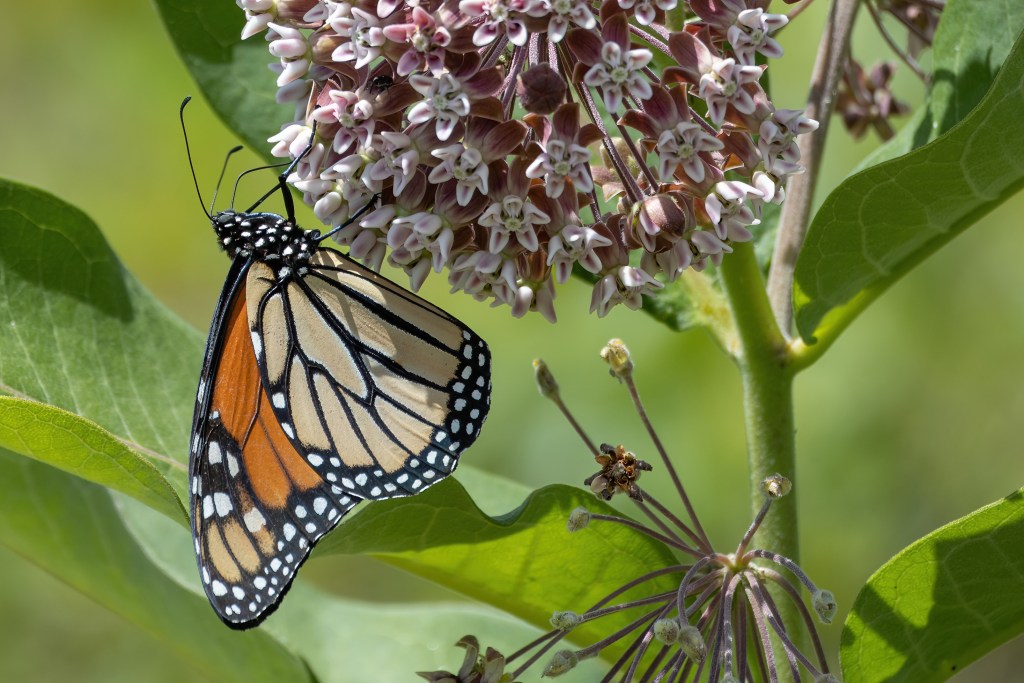
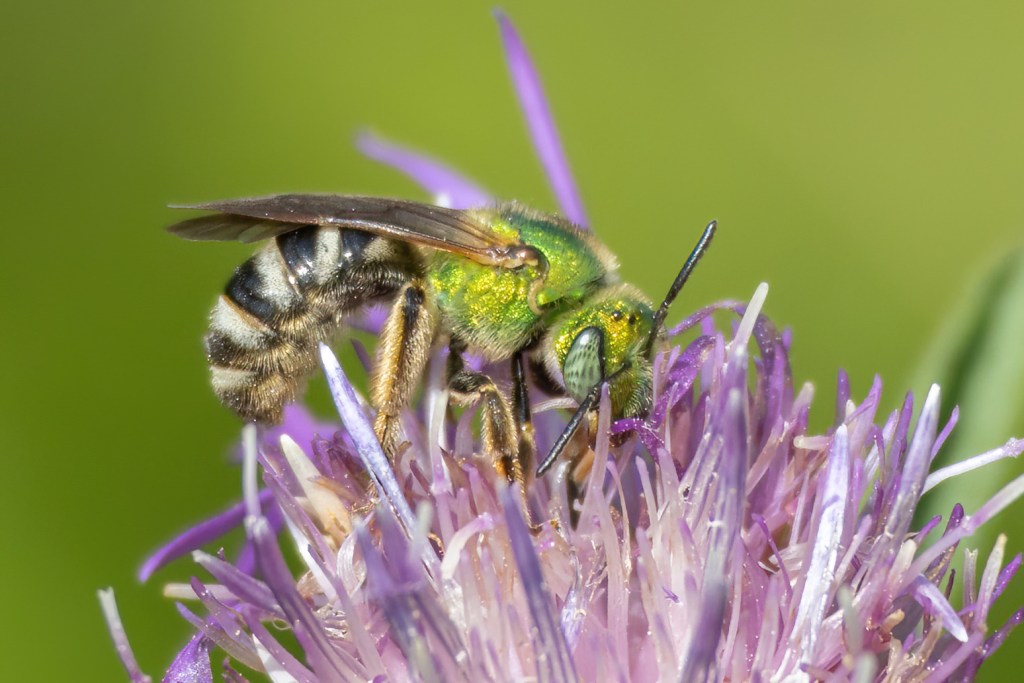
Along with this excellent find, we found several other butterfly species like Edward’s Hairstreaks, Coral Hairstreaks, Monarchs, several Skipper species, etc. The place is loaded with some great tiger beetles, bees, birds of all types, etc. We also were able to find a few Walsh’s Digger Bees. Just a bee, right? Wrong. This location, through the great environmental restoration and management is one of two (the other is on Martha’s Vineyard island in MA) locations that this bee exists, east of Michigan. They are so incredibly specific where they live! They need a location that is sandplain grassland with yellow wild indigo growing. JBCC offers the perfect habitat for them and it is no surprise that they are there.
Walsh’s Digger Bee (Anthophora walshii)
That was the best of fields…
From there, I went on to visit Nasketucket Bay State Reservation in Mattapoisett, MA. Here I found the worst of fields.
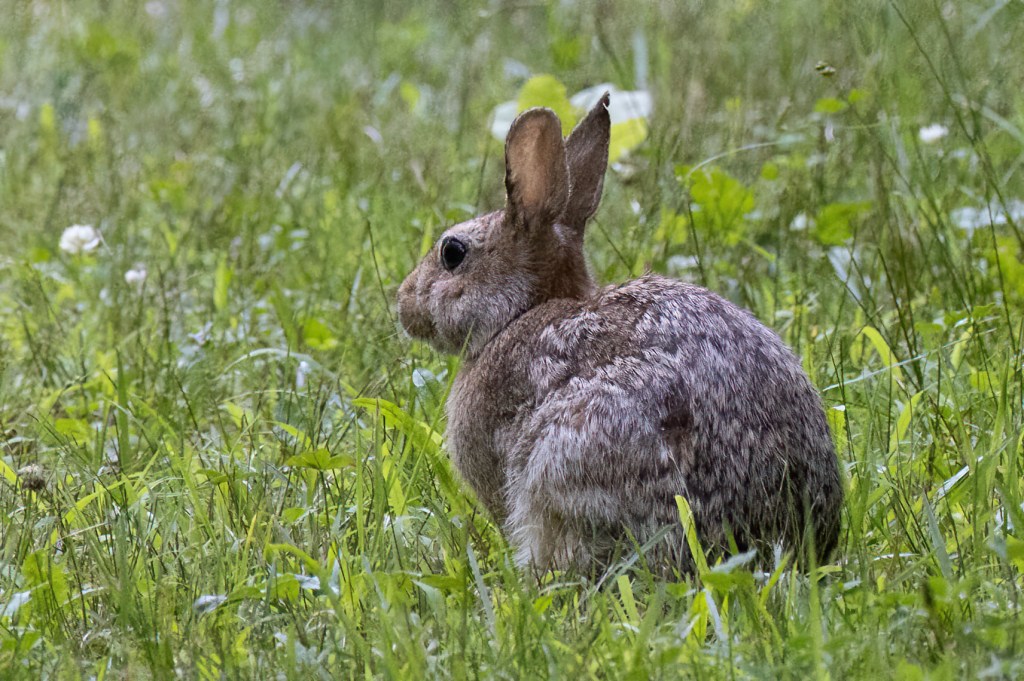
This location once was a fantastic place to see butterflies all season long. Mismanagement of the property has allowed more non-native invasive plants to take over the “pollinator field” and all along the entire walking trail system. Finding a butterfly is like a needle in a haystack. I did manage to see one Monarch and a couple of skippers and an eastern cottontail rabbit, but not much else. I am always hopeful when I go here, but lately it is a let down. My last guided walk of the season is there on Wednesday and I don’t particularly look forward to it. Hopefully I can show people what NOT to do and teach them about butterflies more than show them butterflies.
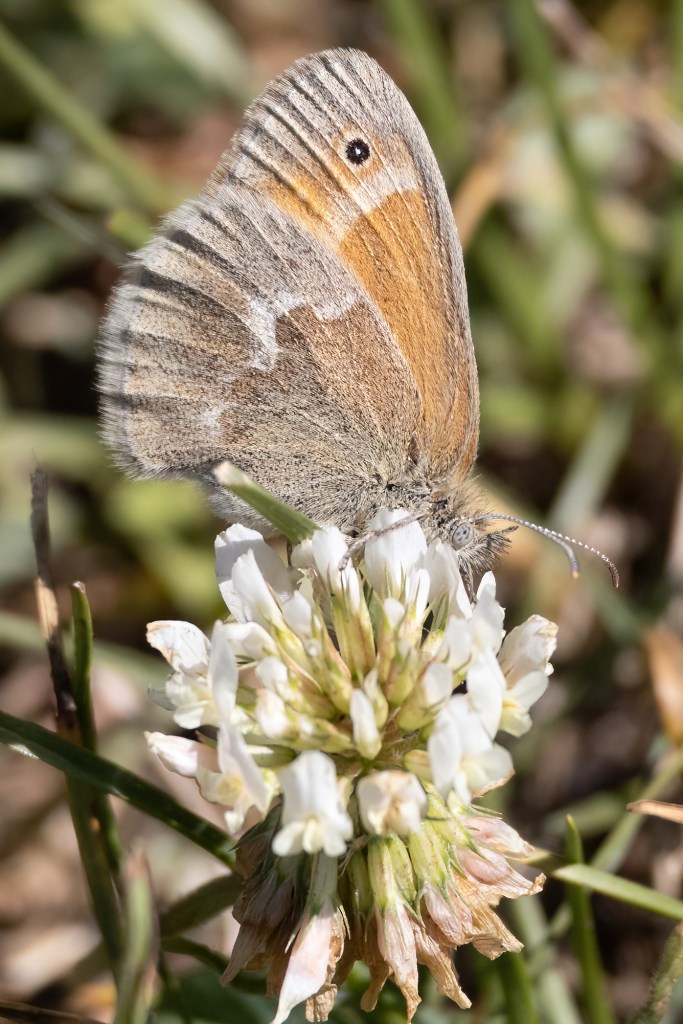
Little Wood Satyr – NasketucketEastern Cottontail – Nasketucket
Spent part of the morning looking for big butterflies (Swallowtails, Monarchs, etc) and Wild Indigo Duskywings. The day was a hazy sun, with temps in the lower 80’s and not much wind.
I started out at the Erwin S. Wilder Wildlife Management Area in Norton, MA. This is a pretty good place for big butterflies with all of the Swallowtails seen there at one point or another. But not today. In fact, there were less butterflies flying there than I had ever seen. The typical Sulfurs, a Peck’s Skipper or two, a Least Skipper, two Red-spotted Purples flyover, a couple Zabulon Skippers and about 30 European Skippers. That seems to be how the European Skippers work. One day there may be none and the next there are several dozen. Strange species.
European Skipper
After this disappointment, I decided to go to Myles Standish State Forest where Wild Indigo Duskywings always fly at this time of year. Except today. I went to all the usual locations, Torrey Pond Road, Kamesit Road, etc and I saw 2 Duskywings. One was so worn that there was no telling what it was and one flew off into the woods never to be seen again.
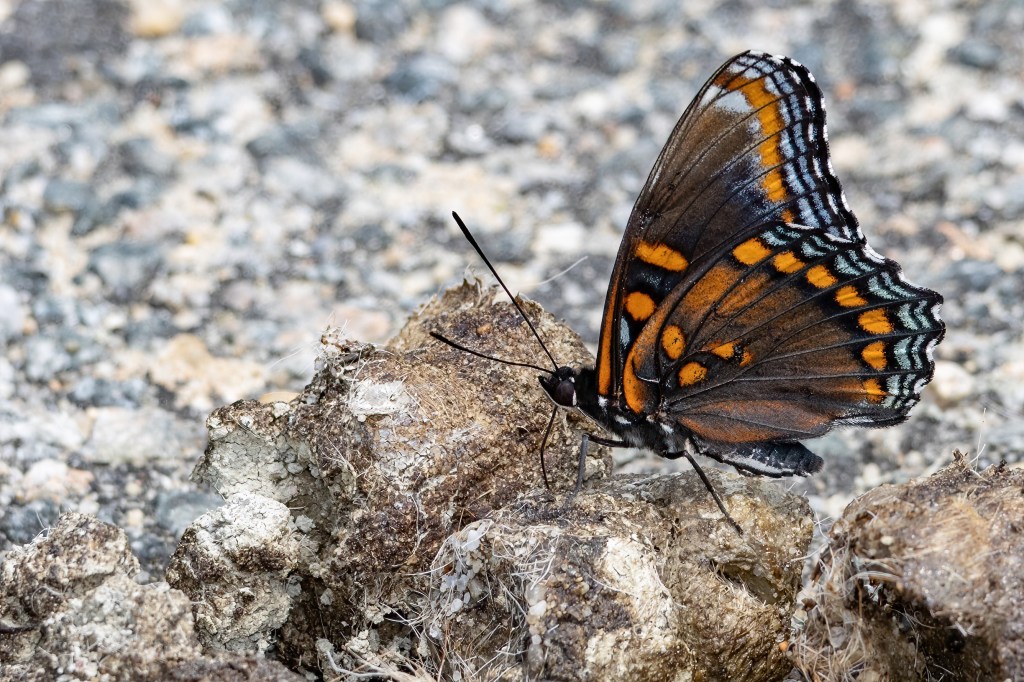
I did manage to see a Fowler’s Toad (photo above), a few Red-spotted Purples, 2 of which were taking turns at a pile of scat, 2 Indian Skippers, one worn but still flying strong Frosted Elfin, and one Eastern Tiger Swallowtail flyover.
Red-spotted Purple enjoying a scat lunchFrosted Elfin
So it was a bust of a day as far as getting the species that I wanted and I now believe that the cold May we just got through had quite an effect on the species that should be flying right now. I haven’t even SEEN a Spicebush Swallowtail. I’m not at a level of concern for these species right now, but it does seem like it could head in that direction if this keeps up.
I went quickly to a couple places today, mainly to see if I could get a Least Skipper at one of them.
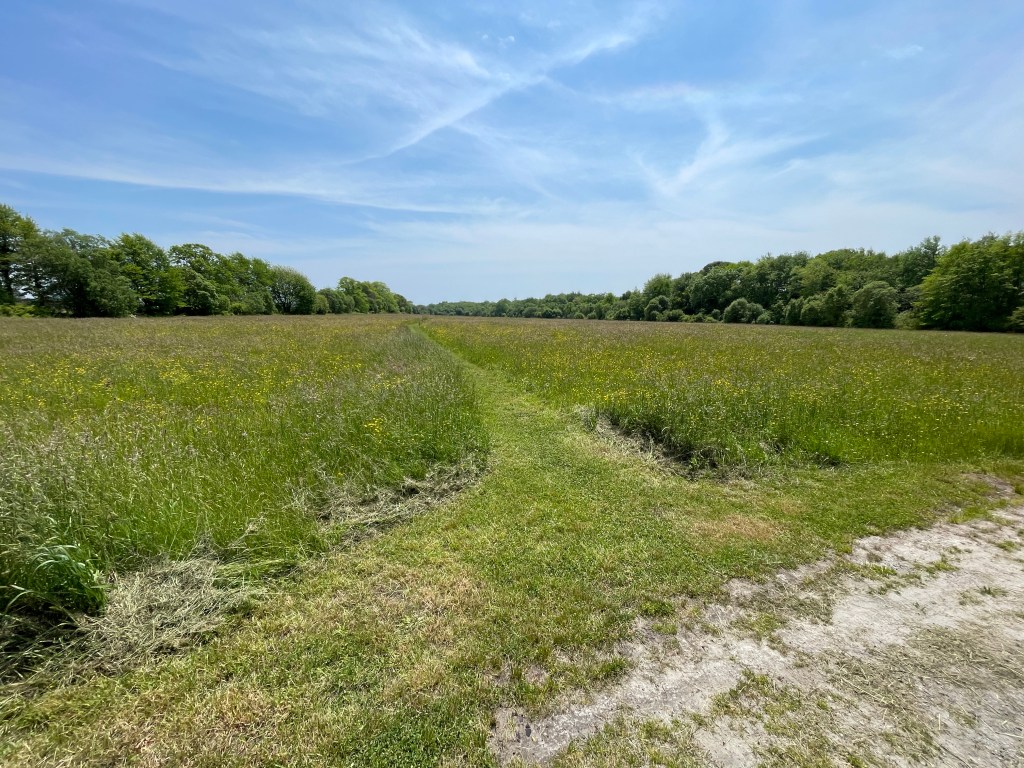
In Fairhaven, the location I went to is called Carvalho Farm and run by the Buzzards Bay Coalition. It is a really nice area with a very large field at the beginning (photo above), and a path that winds through the woods down towards a saltwater marsh. The area I was interested in today was the back end of the field where I had seen Least Skippers last year, just before it turns into the marsh grasses.
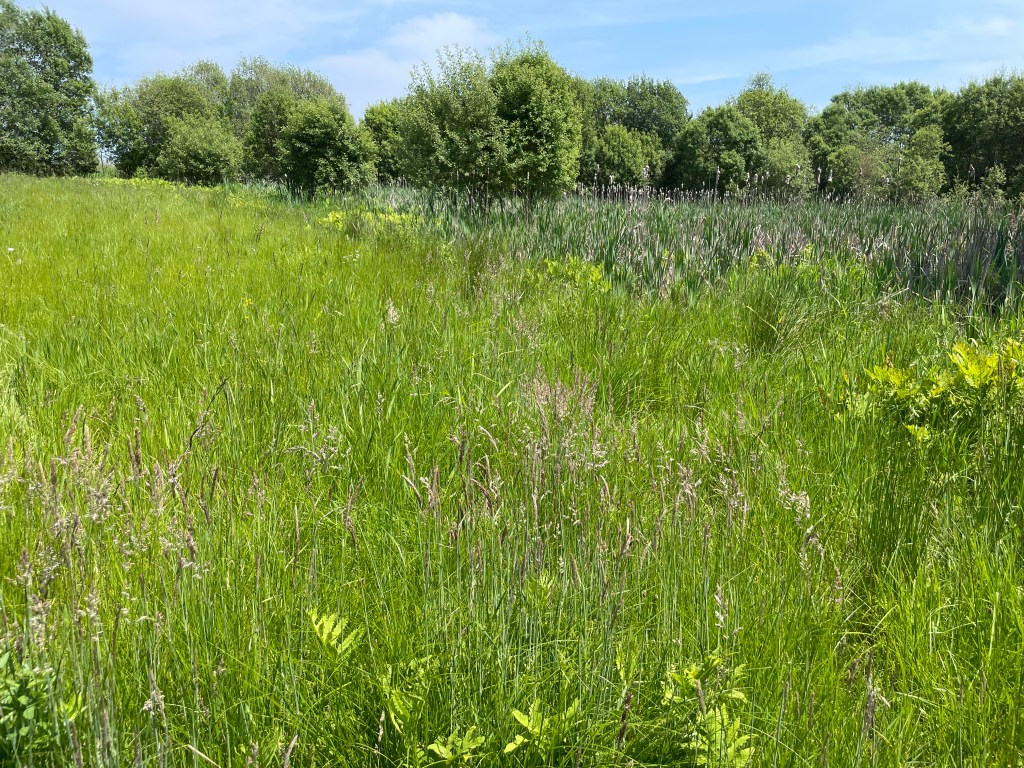
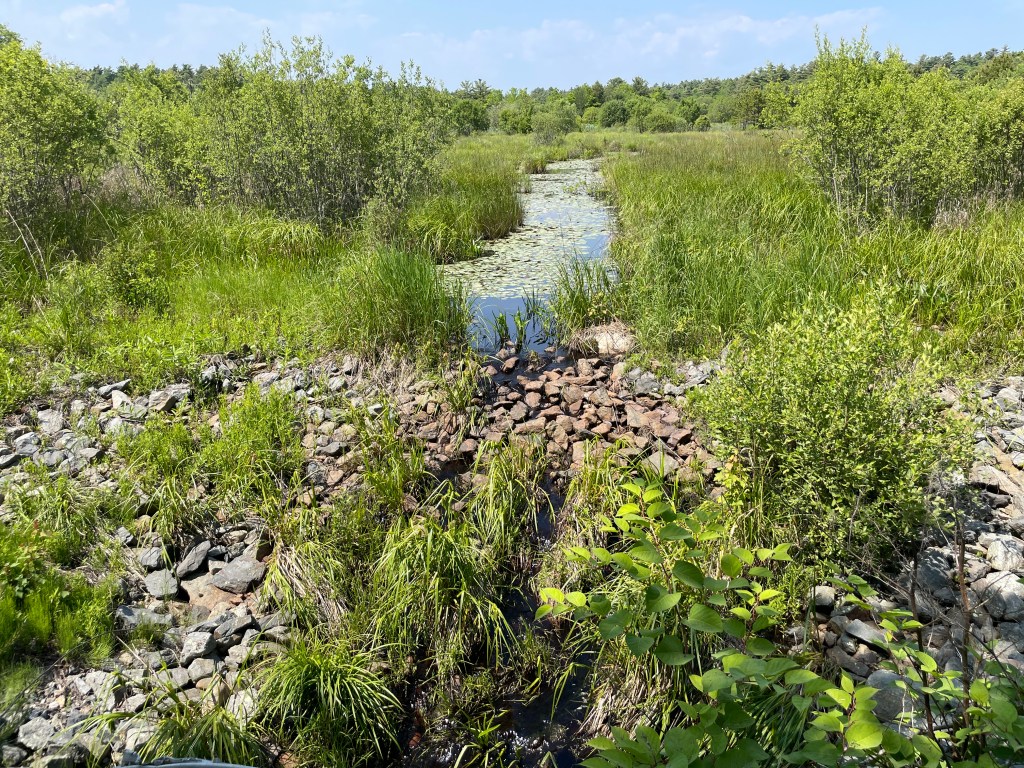
The area where it turns from field to a wet, marshy area.
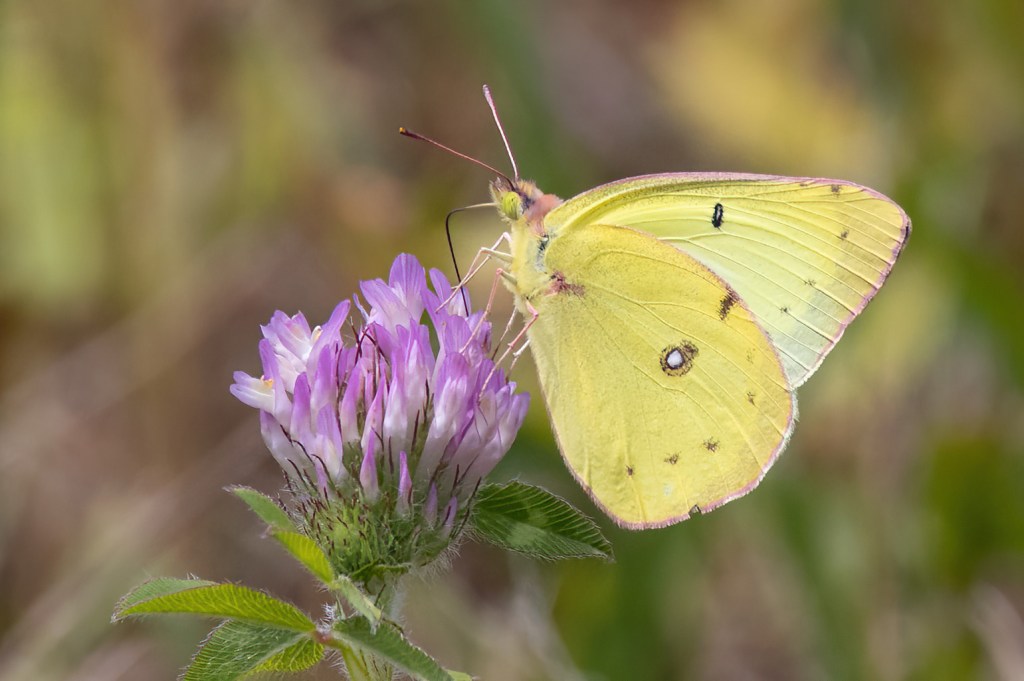
On the way down to that end of the field, I had expected to see a lot of grass skipper activity amongst the buttercups and clover flowers which are all over the place here. I saw two Peck’s Skippers and 5 Clouded Sulfurs. Pretty disappointing overall.
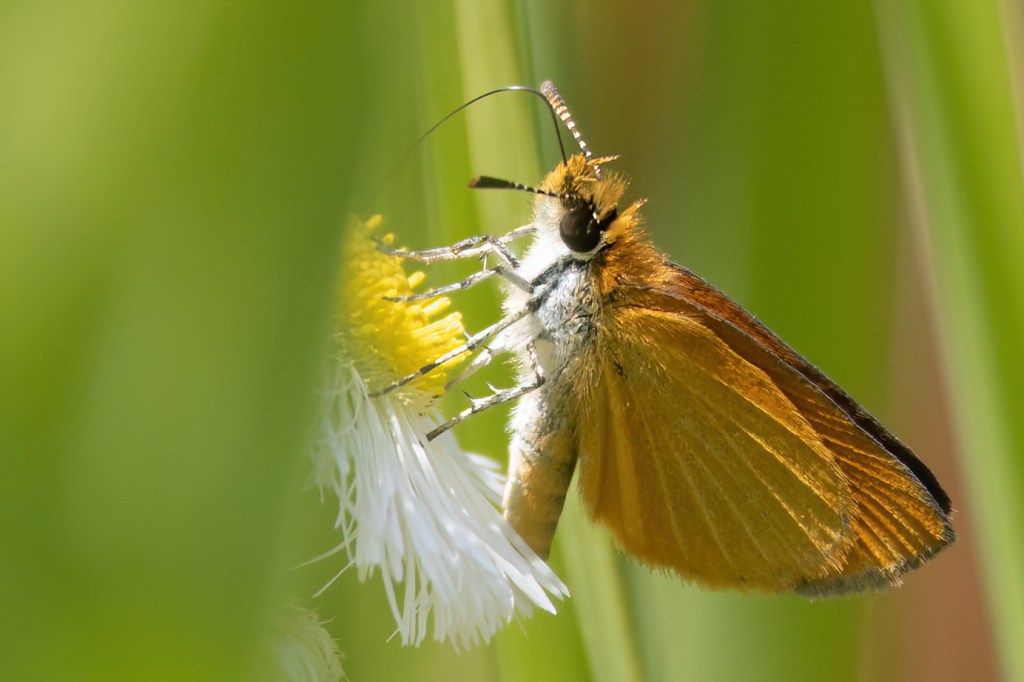
It took me some time to find a Least Skipper, but I eventually flushed one out of hiding and followed it as it flew for probably 5 minutes straight. Eventually it landed and gave me a clean look at it for a few photos. My first of the year!
Least Skipper
I also saw one nice looking Viceroy while chasing the Least Skipper all over the field and was able to get a couple photos of it.
Viceroy
Since it was super hot today (upper 80’s and humid) I decided to pack it up after finding the Least Skipper and head over to a place that I check out every year despite having over 100 ticks on me the first year I went there. I haven’t had even one tick since so I figure I must have just stepped in a “nest” at some point on that first walk.
The area I went to is called Grassi Bogs in Marion, MA. It is a very nice piece of property. Old Cranberry bogs with a nice pond and great trails around and through it all.
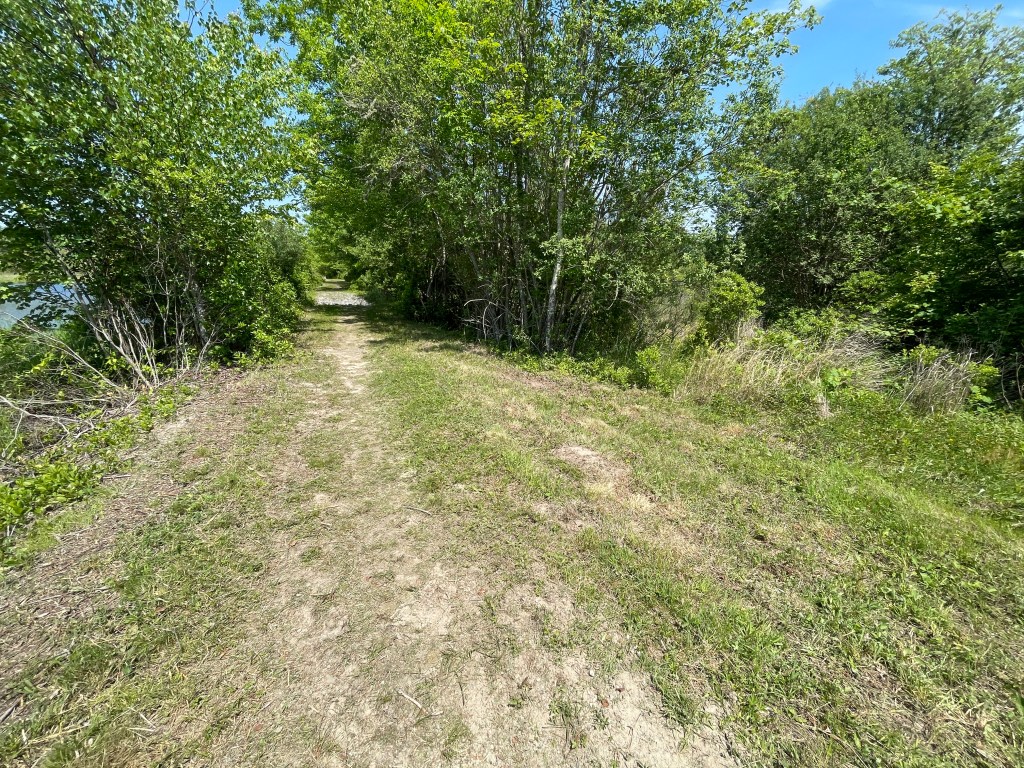
Well, that is until Mower McKillsItAll comes by and mows the entire width of the path from tree line to tree line and leaves not one shred of nectar plant. I haven’t been to a place where there were no bees OR butterflies ever, until today. What a disaster. A true 0/10 rating for butterflies. I won’t be returning this year.
A complete mow. Must be paid by the hour. The area does have some nice views though!
All in all a bit of a bummer of a day, but I am quite happy with the little Least Skipper and Viceroy!
I went to a couple places in Middleboro, MA today to see what I could find. I don’t go there often, so I waited for a nice warm and sunny day. It was well into the 70’s and sunny, although hazy from the Canada wildfire smoke, I’m told.
The first place I went to was the Peter Oliver House which has trails behind it that lead to the Picone Farm fields which the town just recently bought. I had hoped for Least Skippers in the fields, but no luck with that. It is a little bit early, but I have seen them at this time in years past. As soon as I got on the trail, I came across a female Zabulon Skipper. A good sign, I thought…
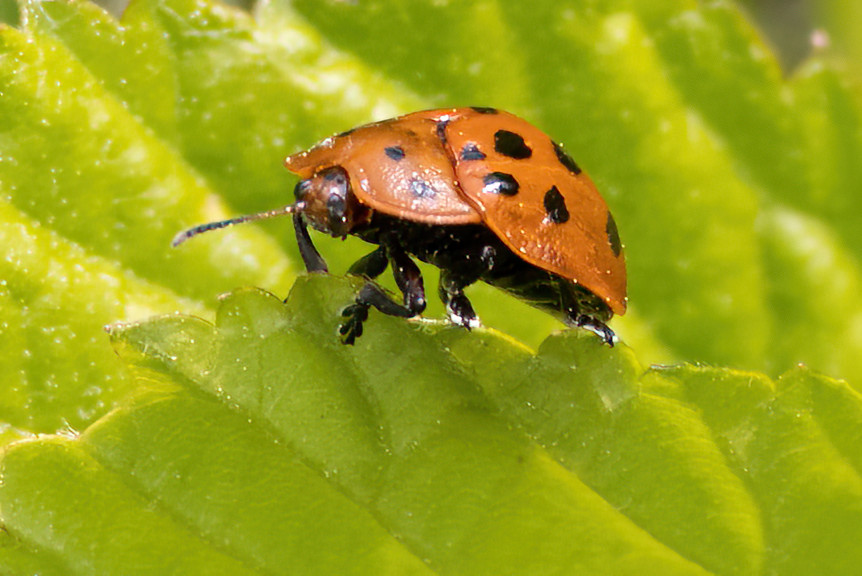
Well, the rest of the trail, including the beginning portion where we see Red Admirals pretty regularly, had nothing. When I got to the field, I wasn’t overly impressed either. What usually has a lot of skippers at the very least, had only a few Tawny-edged Skippers and a couple Zabulon and Peck’s Skippers. I did have one Monarch flyover and found what iNat is telling me is an Argus Tortoise Beetle (photo above). Not much to speak of.
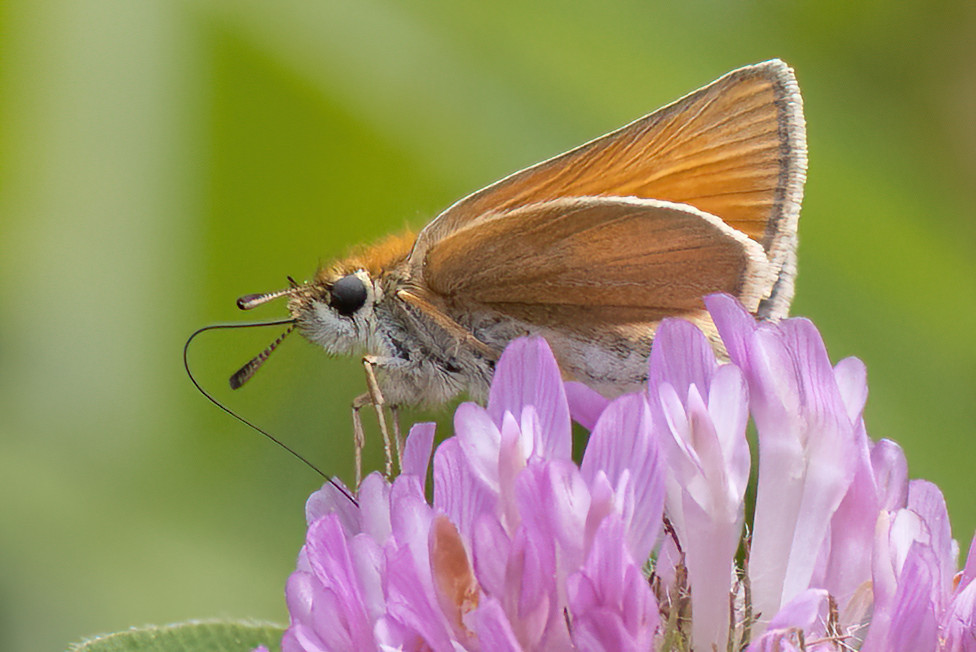
Tawny-edged Skipper
On the way back, I took a different side trail which is something that they have cut out since the last time I went.
The two trails with the new one to the right.
This trail led to a different part of the field. As I got to the end of it, I did have a Red-spotted Purple fly over and land near me which was great since it was the first of the year for me.
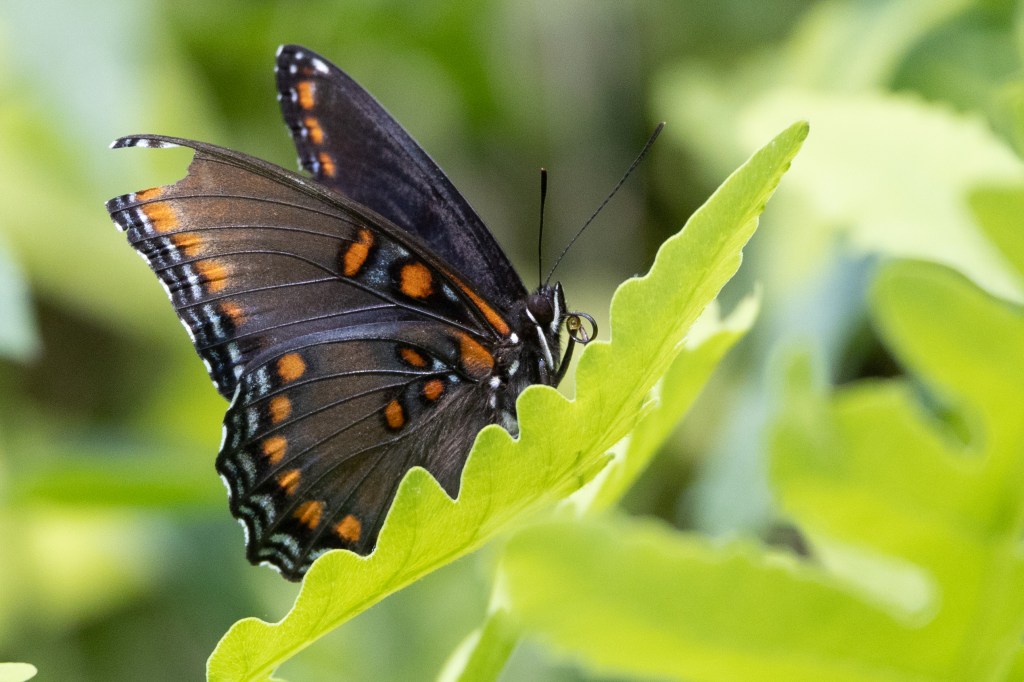
Red-spotted Purple
In that part of the field, there was much of the same as the other part. A couple skippers and not much else.
From here, I went over to the Oliver Mill area to see what might be there. One Peck’s Skipper. I’m out.
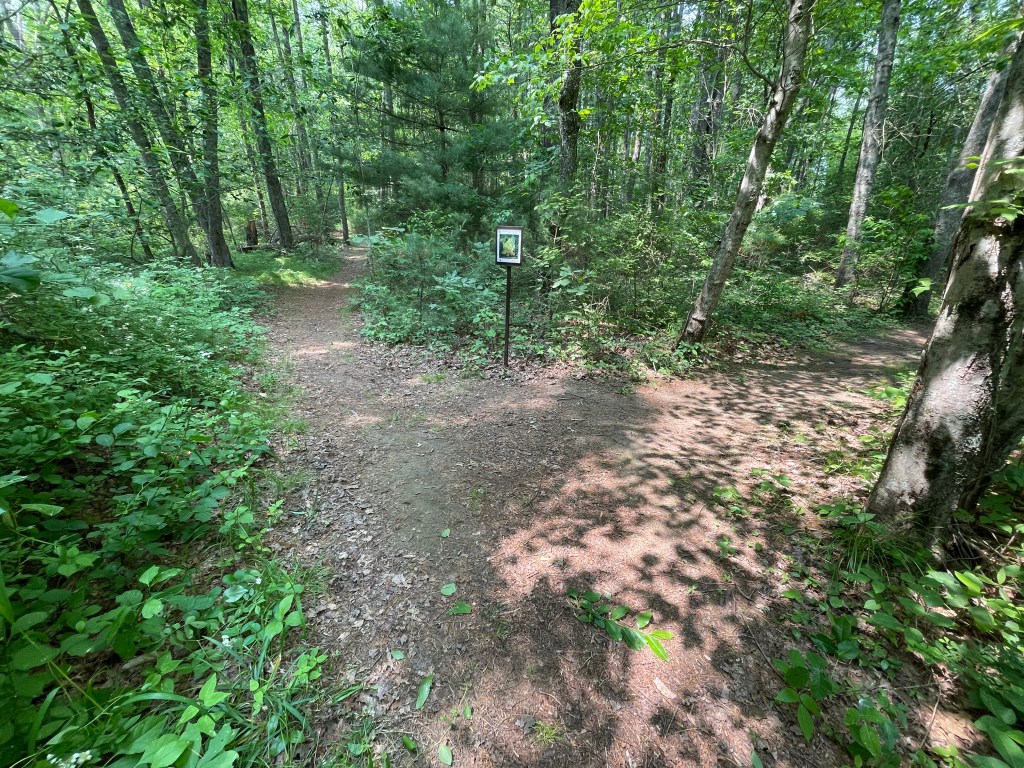
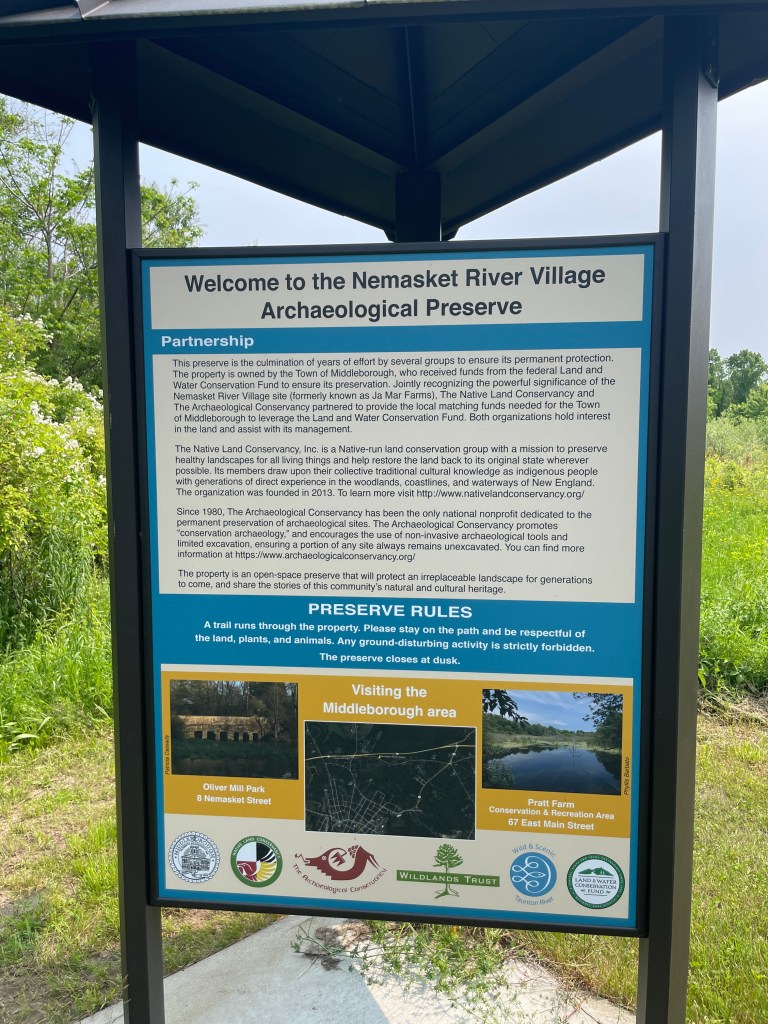
I remembered there was a spot that is relatively new to the public nearby. It is called the Nemasket River Village Archaeological Preserve.
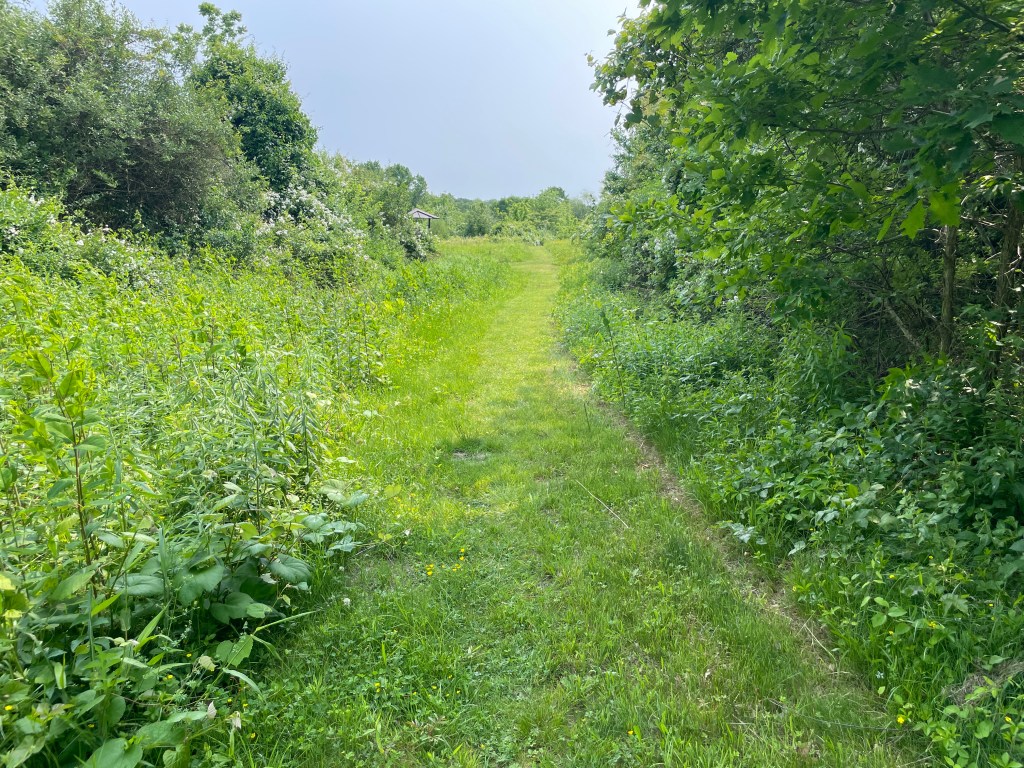
The area immediately looked cool with a lot of fields and nicely mowed paths.
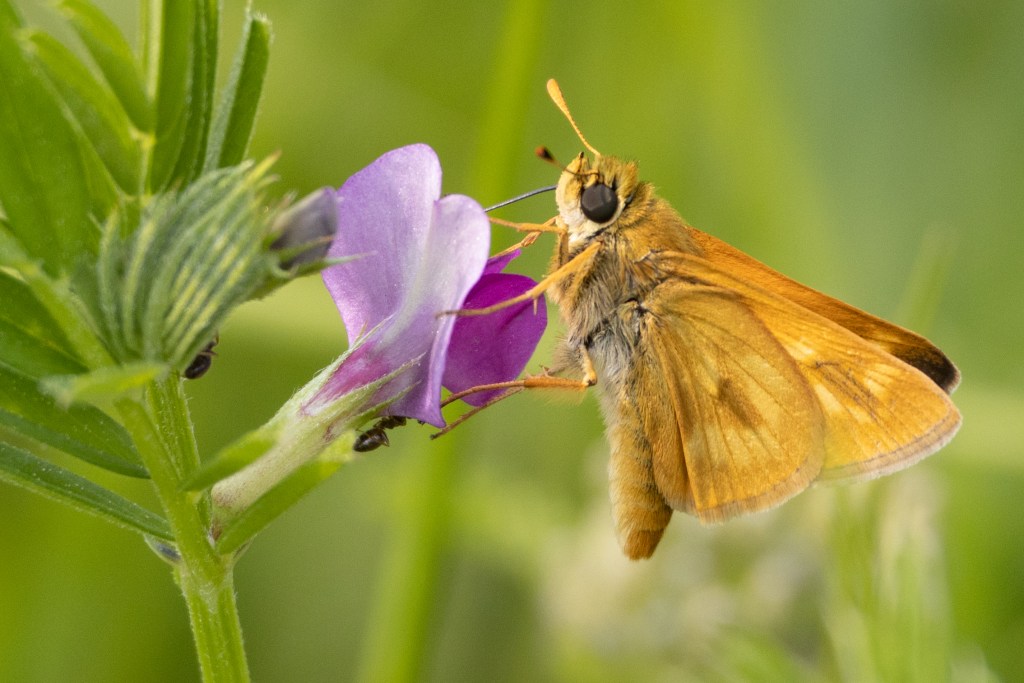
I started up the trail and immediately saw some skippers which were a lot brighter orange than others I had seen. I assumed correctly that these were Long Dash Skippers. I saw several of them along the sides of the trail. They are a nice looking skipper and probably using the Vetch that is throughout the fields as a host plant. Just a guess.
Long Dash on vetch
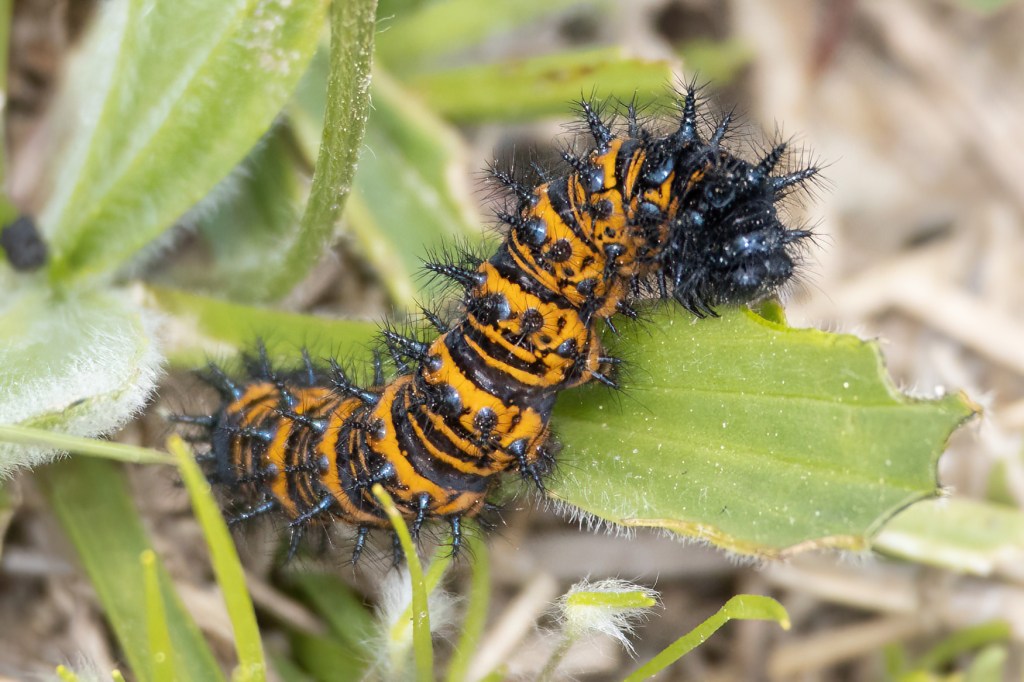
I didn’t come across a lot of other species here, but the area looks to be certainly worth a revisit in the near future. I did find Zabulons, Peck’s, Pearl Crescents and a Common Ringlet. I also found one Baltimore Checkerspot caterpillar. That was a nice surprise.
We’ll see what tomorrow brings. The temperature is supposed to be well into the 80’s for the first time this year. Maybe it will pop out some nice new species!
We took a quick trip to Francis Crane Wildlife Management Area in Falmouth, MA today since it was supposed to be cloudy and instead it was sunny! Not an ideal day with quite a stiff breeze going on, but temps in the upper 60’s and sun, and we are going SOMEWHERE!
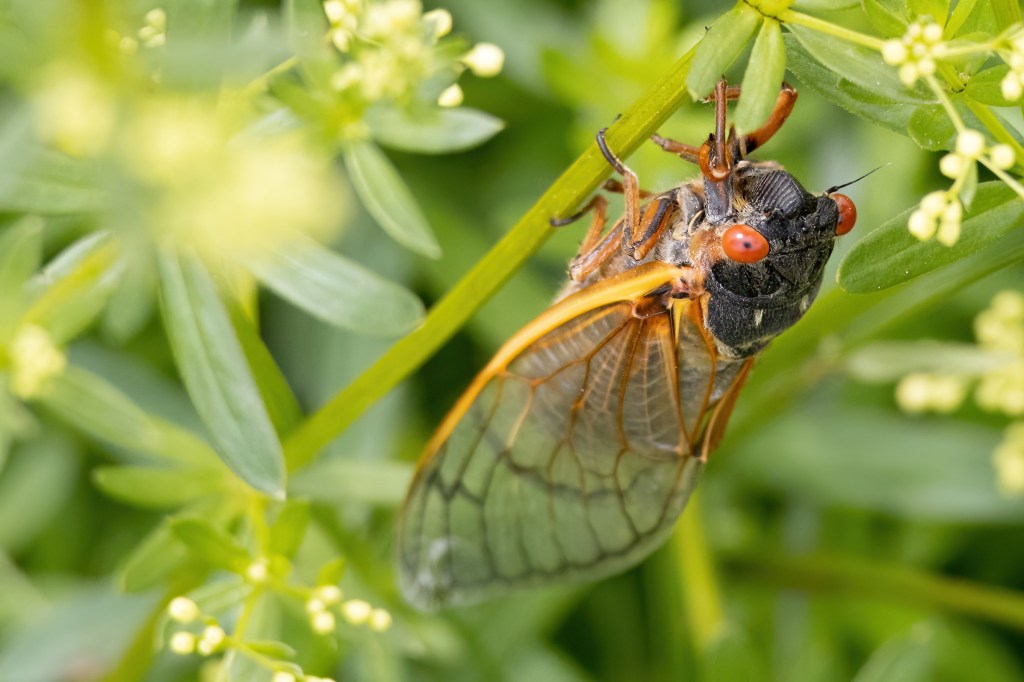
Our main target species were Cloudywings. Northern and Southern regularly appear here, although I suspect that Northern are declining somewhat rapidly at the location for some reason. We also wanted to check out the Cicadas (Brood XIV is emerging this year) and the Baltimore Checkerspot caterpillars to see how they were both doing. Turns out they are doing quite well! There were hundreds of each, so no worries there.
Cicadas on BaptisiaCicadaBaltimore Checkerspot caterpillar
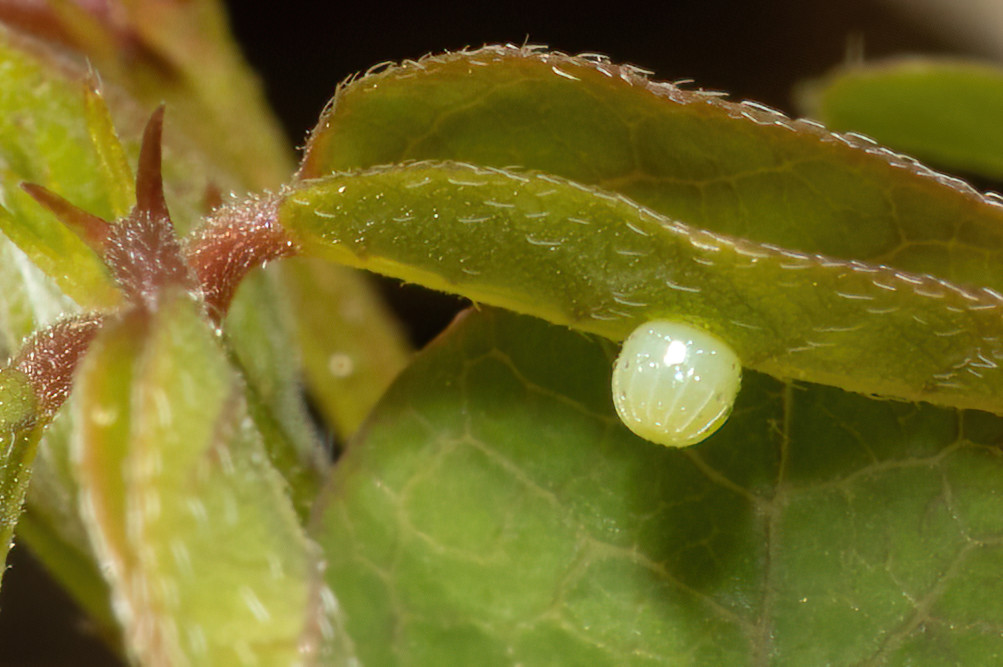
We did manage to find some Cloudywings and all were Southern Cloudywings. That was great, but furthers my concern for Northerns. One thing we did find was one Southern looking for a place to lay eggs. It was searching all over and paid no attention to us. When a butterfly does this, it is typically a female looking for a suitable host plant to lay it’s eggs on. This one did find a plant it liked and laid an egg. I was reluctant to change lenses to my macro to get a photo of the egg, but I am glad I did.
Southern CloudywingSouthern Cloudywing egg
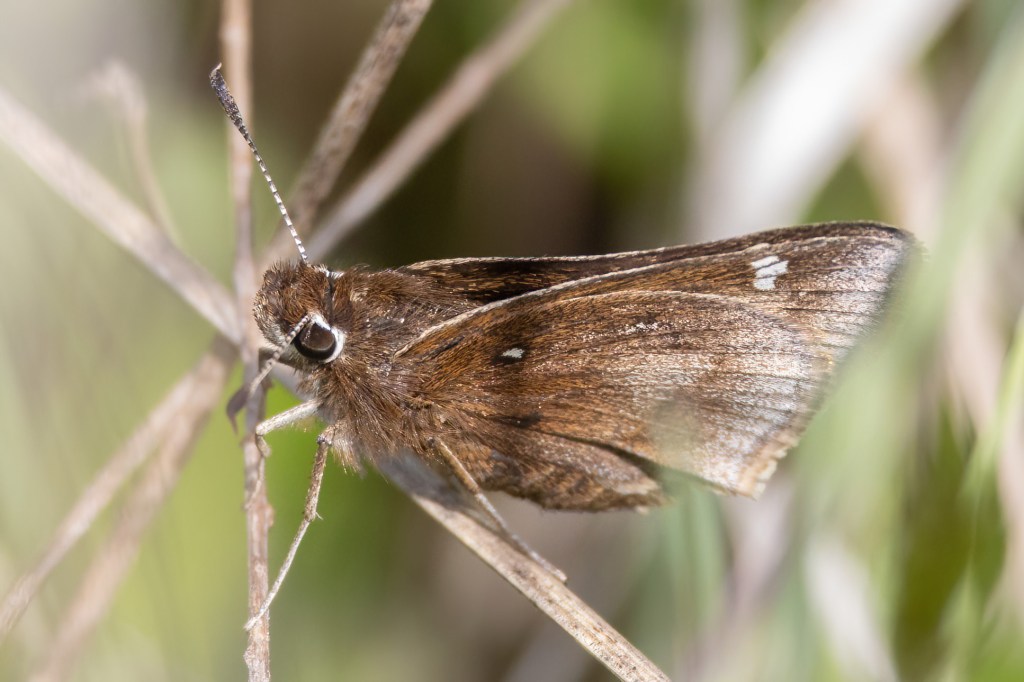
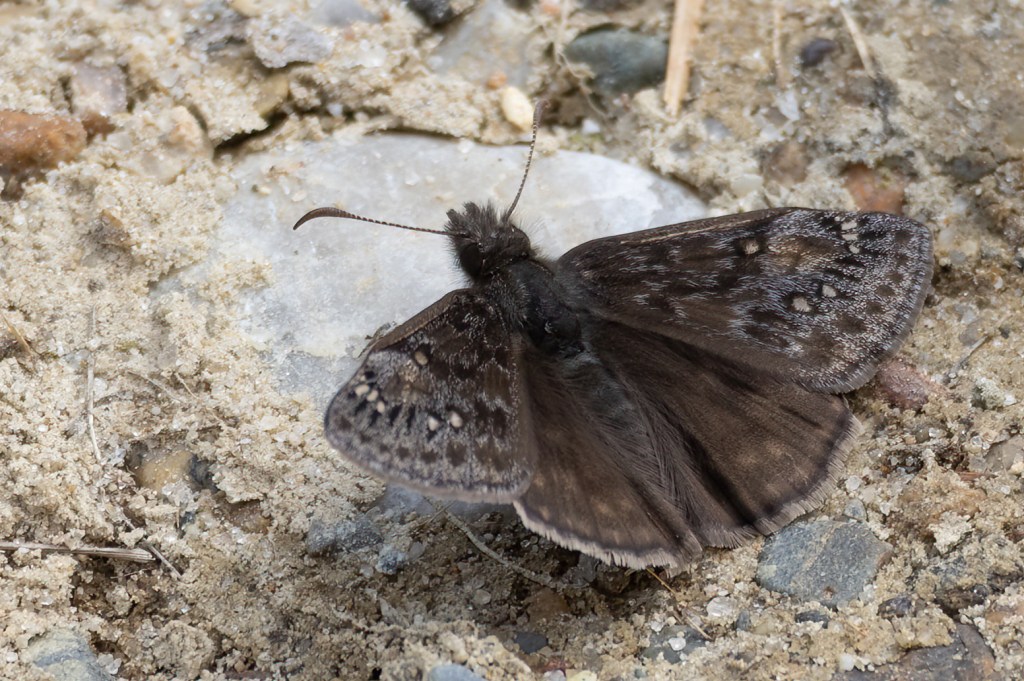
We also managed a few other species on the walk. American Lady, Common Buckeye, Dusted Skippers (photo above) and others were seen. Another halfway decent day in the field and we were only there about a little over an hour!
I took a rather quick trip to Myles Standish State Forest to scout out the Elfin population, having seen reports from other parts of the state. I finally found them in their usual locations. The weather was to change to clouds, so I went out early when the temps were already in the upper 60’s and the sun was filtered a bit but shining.
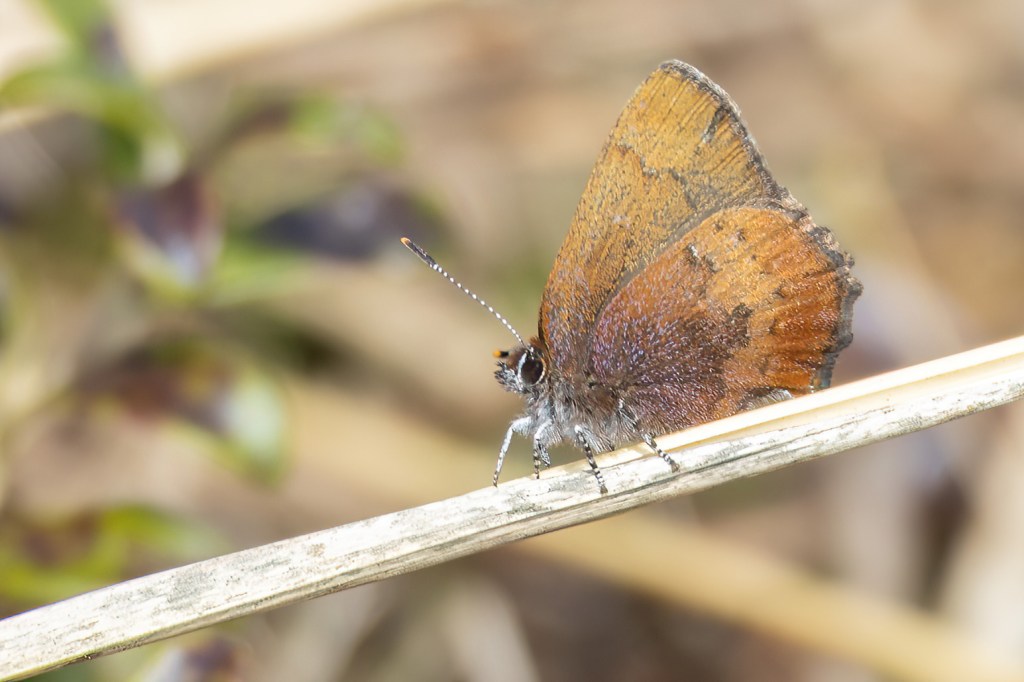
The gas line is still the place to go to find Elfins. Both ends of it seem to be equally active most years. This year seems to be starting about the same as most. Brown Elfins and one Hoary Elfin were found today. Every location I went to had several Spring Azures as well. Two Juvenal’s Duskywings were also seen, one at each end of the gas line.
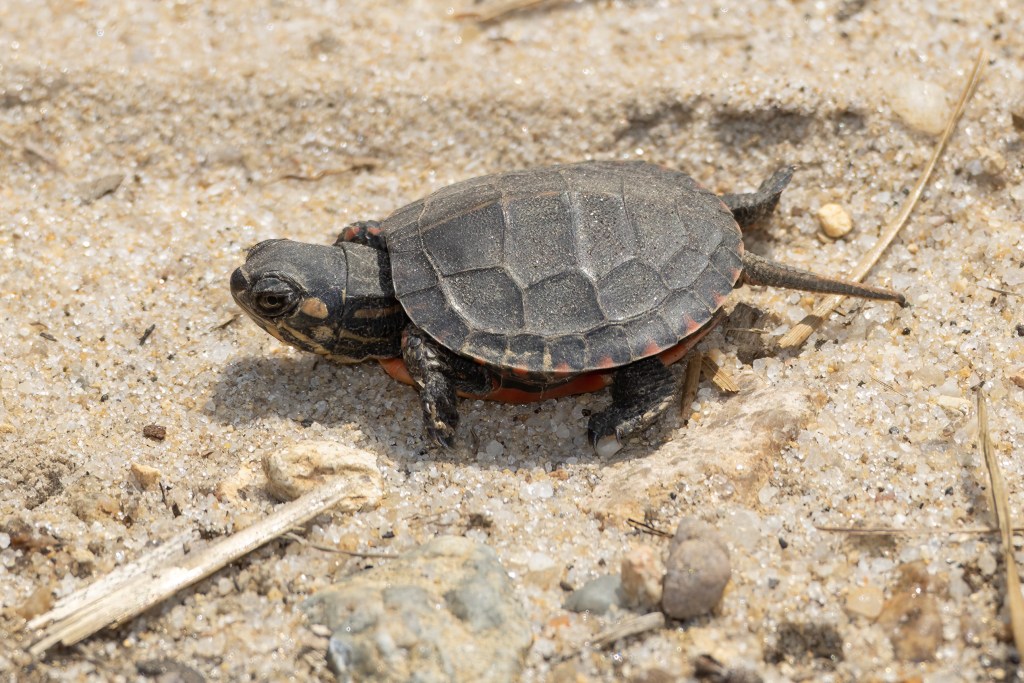
I also went to Doctor’s Pond Road quickly and found one Brown Elfin along with a baby Painted Turtle and a bunch of Six-spotted Tiger Beetles (photo above).













 Our Natural Adventures